Blog
Is Punggol Still Ulu or Actually Singapore’s Next Hot Spot?
Published 8 April 2026
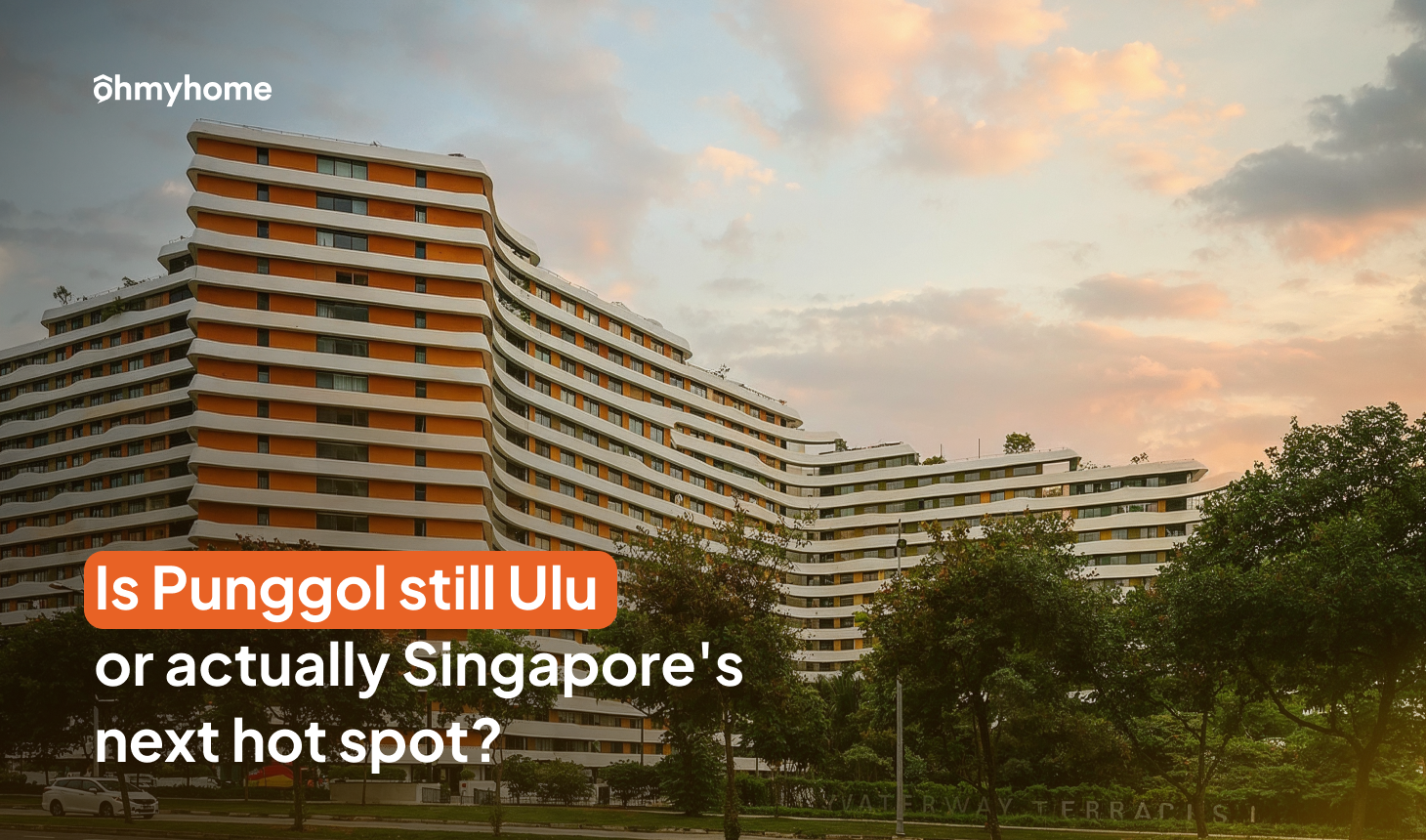
Punggol is no longer the “ulu” town at the end of the MRT line. It’s shaping up to be Singapore’s next ultimate super town, and the numbers, the infrastructure, and the pipeline all back that up.
It wasn’t always this way, though. For the longest time, Punggol had a reputation. Too far from town. Nothing to do. The kind of place you move to when you run out of other options.
But while everyone was busy looking elsewhere, Punggol was building. Quietly, steadily, and with a very clear vision of what it was meant to become — a smart eco-town, a digital district, a waterfront neighbourhood unlike anything else in Singapore.
And the town it’s becoming is worth paying attention to.
TL;DR / Summary:
– Punggol is one of Singapore’s largest residential towns with over 200,000 residents, 50,000 HDB flats, and 10,000+ condo units.
– 3,222 MOP units are entering the resale market in 2026, led by the Northshore cluster.
– The Punggol Digital District is bringing 28,000 jobs in tech and innovation directly to the town.
– The Cross Island Line Punggol Extension, due in 2032, will give residents direct east-west connectivity across Singapore.
Table of Contents:
- How Big is Punggol, Really?
- A Place to Call Home: HDB and Condo Living in Punggol
- Why is Punggol's Property Market So Active Right Now?
- How Easy Is It to Get Around Punggol?
- Punggol is Singapore’s First Smart Eco-Town
- A Digital District in Your Backyard
- What Schools are in Punggol?
- Malls, Food, and the Outdoors: What Punggol Actually Offers
- What’s Coming Next in Punggol?
- Want to Buy or Sell a Property in Punggol?
- Frequently Asked Questions
How Big is Punggol, Really?
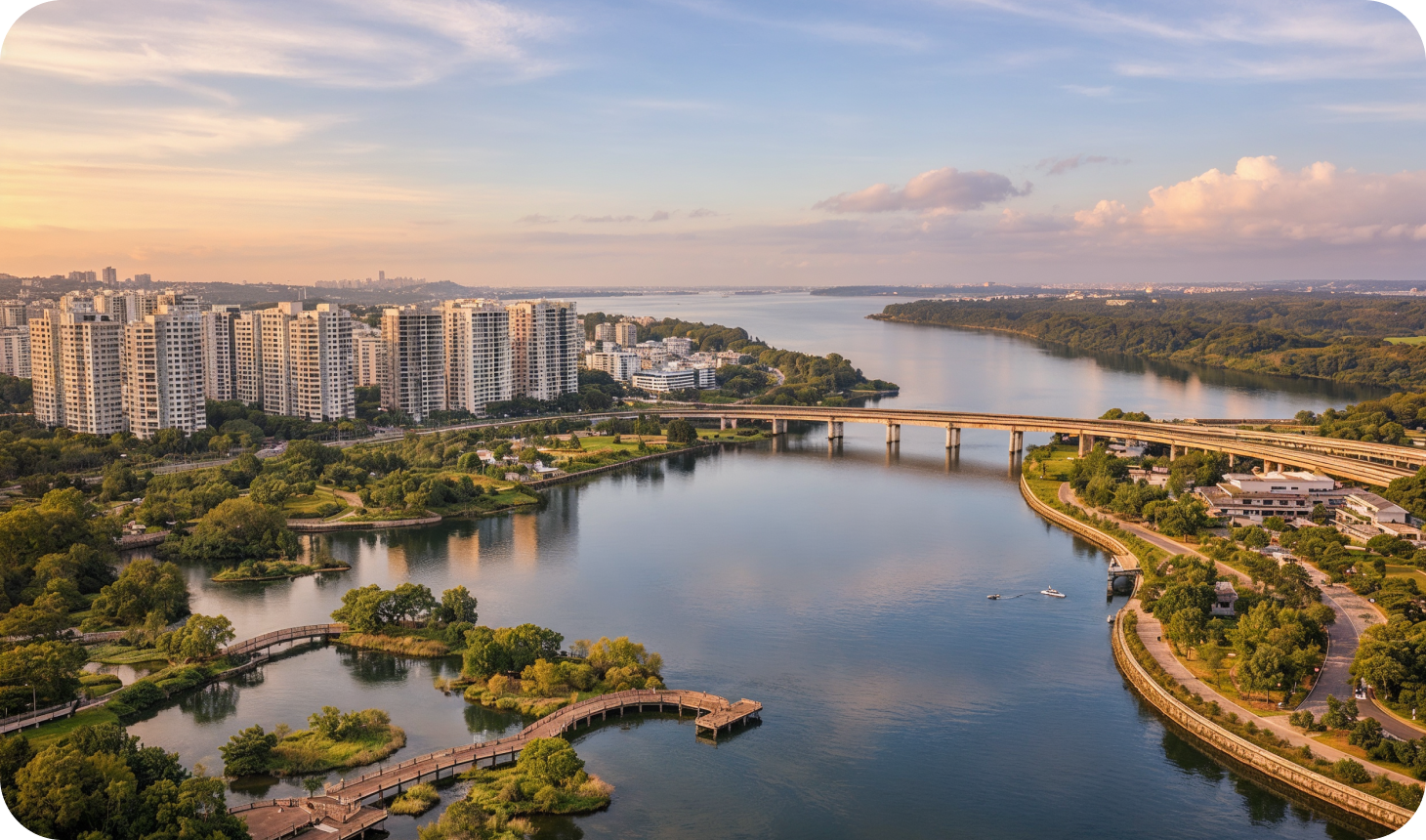
Before we get into what’s coming, let’s talk about what’s already here. Because most people massively underestimate how established Punggol already is.
Punggol’s land size spans 9.57 square kilometres, roughly the size of 1,340 professional football fields. To put that in perspective, it’s larger than Bishan and bigger than Toa Payoh.
And the people are there too. Punggol is home to over 200,000 residents, a population that has grown steadily over the past decade as the town developed precinct by precinct. That’s not a quiet neighbourhood slowly filling up. That’s a fully functioning town with the scale, the density, and the demand to support everything a modern neighbourhood needs.
A Place to Call Home: HDB and Condo Living in Punggol
Punggol has close to 50,000 HDB flats, making it one of the largest public housing estates in Singapore. You have 2-room Flexi flats for singles and elderly residents, all the way up to 5-room and 3Gen flats for bigger households.
And because most of the estate was developed relatively recently, you’re getting newer builds with better finishes, smarter layouts, and greener surroundings than a lot of older HDB towns can offer.
Then there’s the private side of Punggol. Over 10,000 condo units sit within the estate, many of them along the waterway. For those looking to move into private property, Punggol has become one of the most sensible moves in the Outside Central Region. You get the pool, the facilities, and the views, at a price point that actually makes sense.
Whether you’re hunting for an HDB flat or ready to step into private housing, Punggol gives you a wide variety of both options. Simply submit your preferences to us and we’ll match you with a property that suits your budget and needs.
Why is Punggol’s Property Market So Active Right Now?
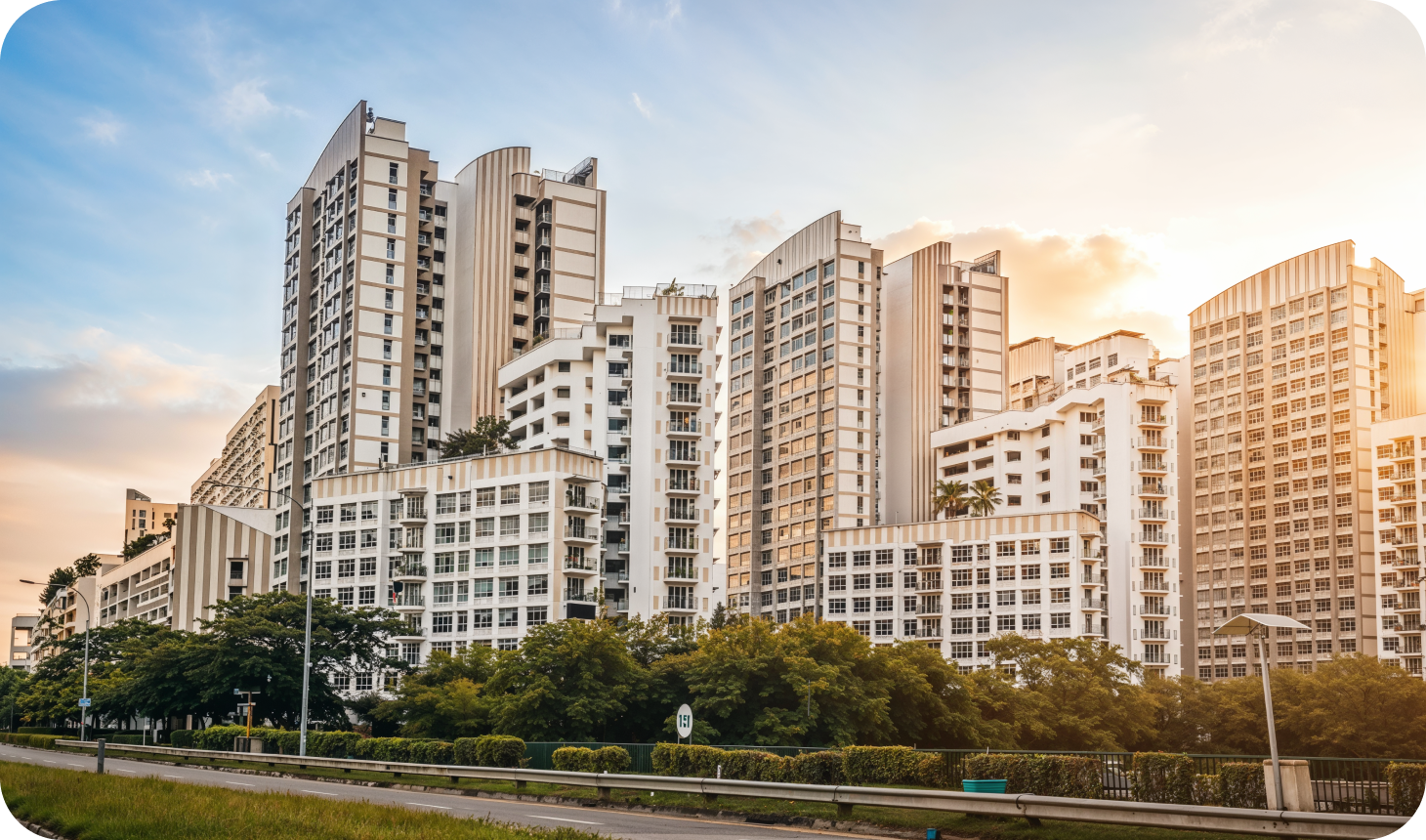
The number that’s been getting a lot of attention lately: 3,222 MOP units hitting the resale market in 2026, predominantly concentrated in the Northshore neighbourhood.
That’s not a small number. Punggol leads all towns as the single largest contributor to Singapore’s 2026 MOP supply. These are waterfront-adjacent flats with modern smart features that are only now becoming eligible for resale.
For buyers, this is a rare window. You’re getting newer flats, only five to six years old, in one of the most future-ready parts of Singapore, at prices that still undercut comparable private options by a wide margin.
Recent transactions show median prices of HDB resale flats in Punggol sit at $548,900 for a 3-room, $683,500 for a 4-room, and $740,900 for a 5-room flat.
For sellers, the equity built up over five years of ownership in a fast-developing town is worth taking stock of.
How Easy Is It to Get Around Punggol?
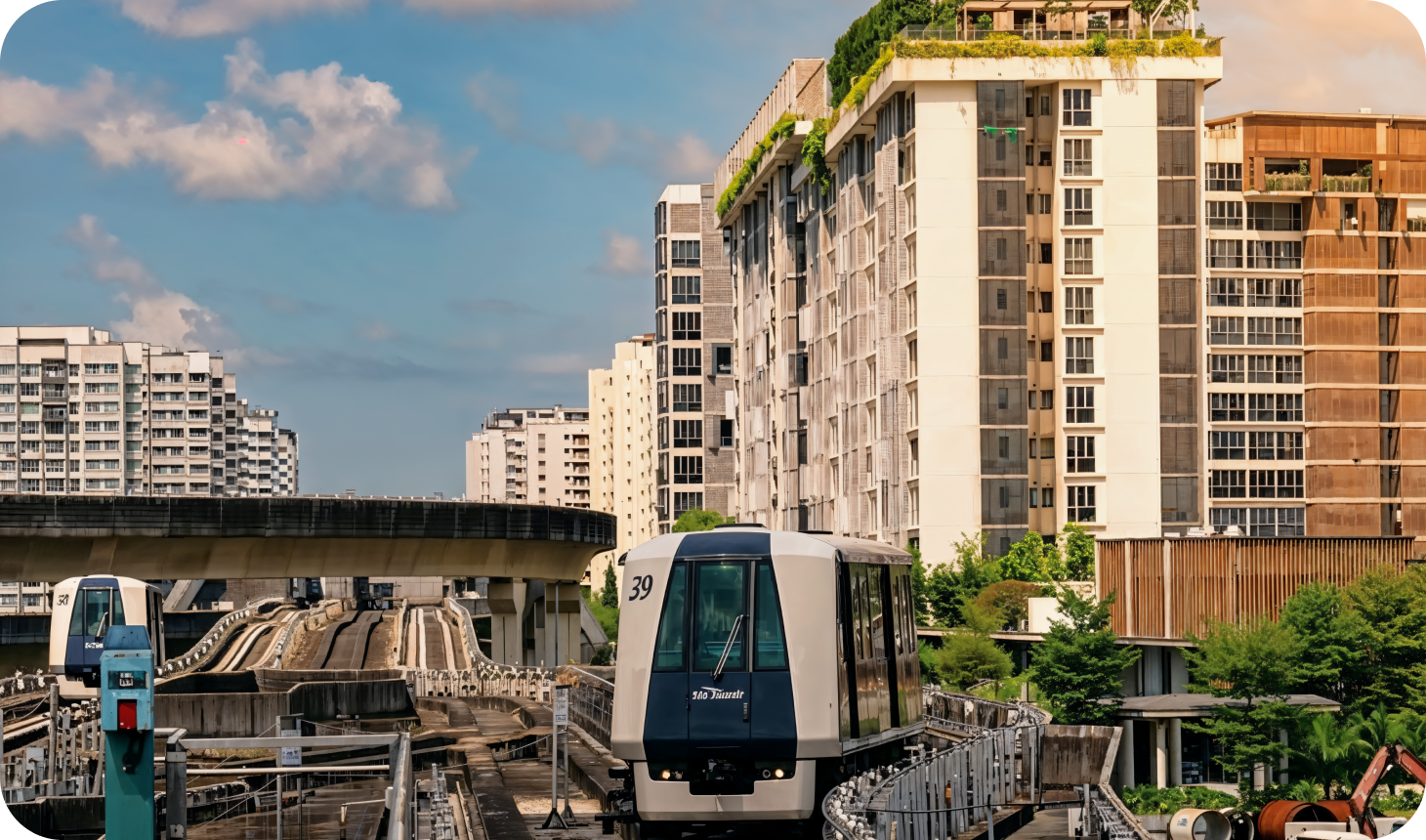
One of the oldest complaints about Punggol was the commute. And fair enough, when the only way out was the North East Line from Punggol MRT, it felt like you were living at the end of the earth.
That’s changed significantly. And it’s about to change even more.
Punggol already has one of the most comprehensive LRT networks in Singapore — 15 LRT stations connecting residents across the entire town. Getting from your block to the MRT is never more than a few stops away.
Then came Punggol Coast MRT station, which opened in December 2024 as the newest terminus of the North East Line. The station serves the Punggol Digital District and the new Singapore Institute of Technology campus, and sits close to Coney Island and within walking distance of the Teck Lee and Punggol Point LRT stations.
And the biggest transport news is still coming. The Cross Island Line Punggol Extension is currently under construction and targeted to be completed by 2032. When it opens, it will connect Punggol directly to Pasir Ris and from there to the entire Cross Island Line network, giving residents east-west access across Singapore without having to loop through the city.
Punggol is Singapore’s First Smart Eco-Town
Before smart cities became a buzzword, Punggol was already being built as Singapore’s first smart eco-town.
Punggol Northshore was designed with a full network of environmental sensors, smart lamp posts with digital display screens, smart fans that respond to human traffic and temperature, and sensor-controlled lighting in common areas that can reduce energy usage by as much as 60%.
That foundation is what makes Punggol different from towns that are simply adding amenities as they go. The smart infrastructure was always part of the plan, and it shows in how the estate functions day to day.
A Digital District in Your Backyard
Here’s another thing that sets Punggol apart from every other town in Singapore: the Punggol Digital District.
This next-generation smart and sustainable mixed-use district connects the Singapore Institute of Technology (SIT) Punggol Campus with business park spaces by JTC, and is expected to bring 28,000 jobs closer to homes in Punggol, focusing on key growth sectors of the digital economy — fintech, cybersecurity, robotics, and artificial intelligence.
Think about what that means. You could live in a Punggol flat, hop on the LRT, and be at your tech job within minutes. No long commute into the CBD. No squeezing onto the Circle Line at 8am. The jobs are literally being built next door.
And it’s not just a plan on paper anymore. Major institutions and companies have already moved into the district’s business park spaces. For residents, that means real jobs, real amenities, and a neighbourhood that keeps getting more valuable.
What Schools are in Punggol?
For parents, school options are one of the biggest factors in choosing where to live, and Punggol covers that well. There are 12 primary schools and 4 secondary schools spread across the town, most of them within the neighbourhood itself:
Primary Schools
Secondary Schools
Edgefield Primary School
Edgefield Secondary School
Greendale Primary School
Greendale Secondary School
Horizon Primary School
Punggol Secondary School
Mee Toh School
Yusof Ishak Secondary School
Northshore Primary School
Oasis Primary School
Punggol Cove Primary School
Punggol Green Primary School
Punggol Primary School
Punggol View Primary School
Valour Primary School
Waterway Primary School
And then there’s the SIT campus inside the Punggol Digital District — a full university sitting right in the heart of the town, which is something most HDB estates simply don’t have. For families thinking long term, that’s a meaningful part of the picture.
Malls, Food, and the Outdoors: What Punggol Actually Offers
Punggol has four shopping malls: Waterway Point, Punggol Plaza, Oasis Terraces, and Punggol Settlement. Each one serves a different part of the town, so most residents have a mall within reasonable distance from home.
Waterway Point is the anchor. Sitting right next to Punggol MRT, it’s one of the larger suburban malls in Singapore’s north-east, with a full range of retail, dining, a supermarket, and a cinema.
What’s It Really Like Living in Punggol? Things to Do, Places to Eat, and Why Families Love It
Beyond the malls, Punggol has a growing F&B scene, particularly around the waterfront areas. The Punggol Settlement, a repurposed rustic enclave along the northern shoreline, has become a popular spot for casual dining and weekend outings.
And then there’s the outdoors. Punggol Waterway Park, Coney Island, and the Northshore promenade give residents access to walking trails, cycling paths, and waterfront views. For a town that was once written off as having nothing to do, the lifestyle options here have come a long way.
What’s Coming Next in Punggol?
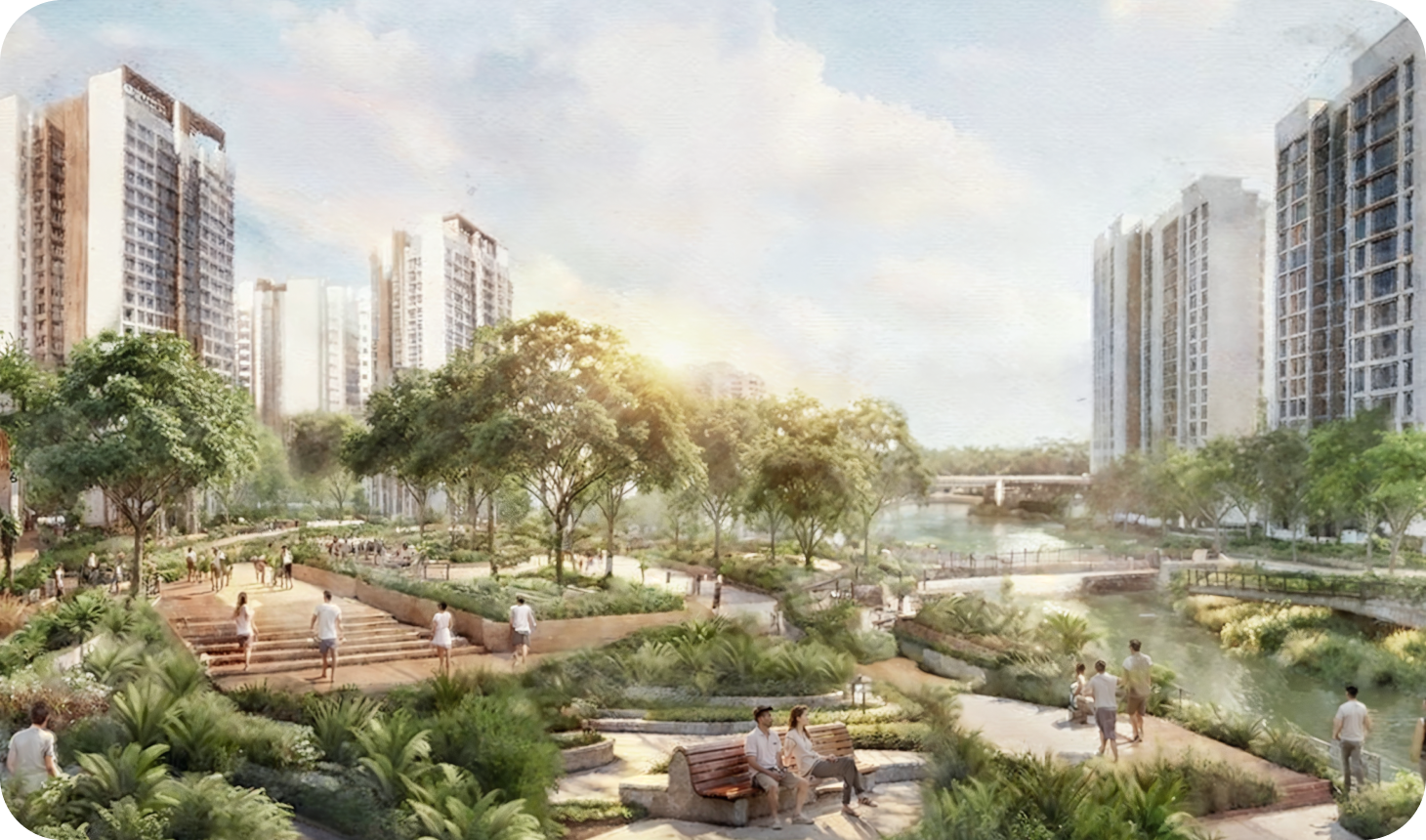
If you thought all of the above was already a lot, there’s still more coming for Punggol.
Punggol Point is one part of the town that’s still actively taking shape. URA’s masterplan has earmarked it for new waterfront-facing housing precincts, and more BTO launches are expected there in the coming years. It’s one of the few areas in Punggol where you can still get in early, before the neighbourhood fully matures and prices reflect that.
The broader town is filling out too. More businesses are settling into the Digital District, more shops, F&B options, and community spaces are being added, and the everyday infrastructure that makes a place feel like home is steadily coming together.
The Punggol you see today is not the finished version. And that’s actually the point. Many towns in Singapore are already fully built out. Punggol is one of the rare ones still in motion, which means the people who pay attention now are the ones who tend to look back and say they got in at the right time.
Want to Buy or Sell a Property in Punggol?

Ohmyhome property agents leverage MATCH, our smart data matching technology, to help you find your next home, whether in Punggol or other towns, based on your budget and other specific needs. Submit your preferences to us and our algorithm will filter all our available listings based on those.
Or if you’re planning to sell your property, you can leverage HomerAI, our AI-powered property tool that lets you check your current home’s estimated value for free, calculate your cash proceeds after selling your home, and determine your budget for your next purchase.
Our agents will guide you through every step of the process, helping you navigate your options and get the most out of the market.
Don’t wait for the perfect deal to pass you by. WhatsApp us today and we’ll help you secure the best deal.

Frequently Asked Questions
1. Is Punggol a good place to live?
It’s better than most people think. Punggol has newer HDB flats, waterfront living, 12 primary schools, four malls, and the Punggol Digital District bringing 28,000 jobs to the area. Transport has improved a lot, and the Cross Island Line extension due in 2032 will make getting around even easier.
2. Which part of Singapore is Punggol considered?
Punggol is located in the north-east of Singapore, under the North East Region. It sits within the Punggol planning area and is served by the North East Line, with Punggol MRT as its main station. The town borders Sengkang to the south and faces the Strait of Johor to the north.
3. What is Punggol famous for?
Punggol is best known as Singapore’s first smart eco-town. It’s recognised for Punggol Waterway, Coney Island, and its waterfront living concept, something that set it apart from other HDB towns when it was first developed. More recently, the Punggol Digital District has put it on the map as a growing hub for tech and innovation, with 28,000 jobs expected in the area.
4. What can we do in Punggol?
There’s plenty to do in Punggol: You can cycle or walk along Punggol Waterway Park, explore Coney Island’s nature trails, dine at Punggol Settlement by the waterfront, shop at Waterway Point, or catch a movie. The town also has community spaces, sports facilities, and a growing F&B scene around the Digital District.
Disclaimer: The information in this article is accurate as at the time of publication. Property prices, development plans, and government policies are subject to change. This article is intended as a general overview and should not be taken as financial or property advice. Always verify the latest information with official sources such as HDB, URA, and LTA before making any property decisions.