Blog
What are the Costs of Selling Property in Singapore in 2026?
Published 12 February 2026
TL;DR / Summary:
– Agent commission is your biggest expense (typically 2 to 3% of the selling price)
– Legal fees usually range from $2,500 to $5,000
– Selling during a loan lock-in may cost ~1.5% in early redemption penalties
– Condo sellers may pay Seller’s Stamp Duty (up to 16%) if sold within 4 years
– HDB sellers avoid SSD but may face a resale levy when buying another subsidised flat
– Pricing realistically from the start attracts better offers and avoids stale listings
The costs of selling a property in Singapore, whether an HDB flat or a condominium, include agent commissions, legal fees, administrative fees, possible Seller’s Stamp Duty (SSD), and other deductions. Many of these are hidden costs that sellers only realise later, which can eventually affect their final proceeds.
At Ohmyhome, we believe there should be no surprises when it comes to your money. That’s why we’ve put together this complete, updated guide on how much it costs to sell a property, so you know exactly what to expect before you list.
Table of Contents:
- What are the Costs of Selling an HDB Resale Flat in 2026?
- Step-by-step Guide to Sell Your HDB Resale Flat
- 3 Factors to Consider Before You Sell Your HDB Flat
- What are the Costs of Selling a Condo in Singapore?
- Step-by-Step Guide to Sell Your Condo
- 3 Factors to Consider Before You Sell Your Condo
- Sell Your Property Today with Ohmyhome
- Frequently Asked Questions About the Cost of Selling a Property in Singapore in 2026
What are the Costs of Selling an HDB Resale Flat in 2026?
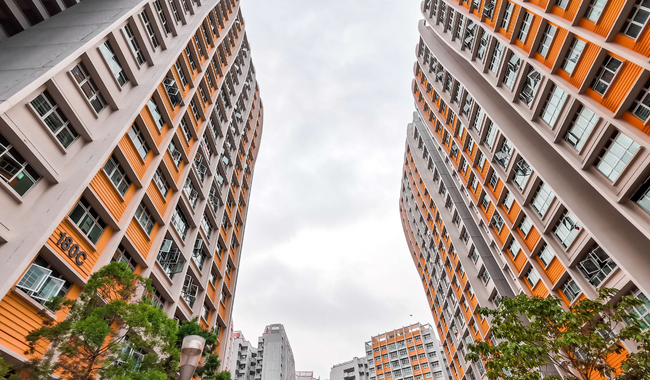
From agent fees to legal costs and admin charges, here’s a clear breakdown of how much it costs to sell an HDB flat in 2026.
1. Property Agent Commission Fees
Typical agents charge 2% to 3% of the final HDB selling price, but with Ohmyhome, you only pay 1%. That means more cash in your pocket. Homesellers with Ohmyhome save over $15 million in commission fees across 14,500+ transactions.
2. Legal Fees
Legal fees for selling an HDB resale flat in Singapore typically range from $2,500 to $5,000, depending on your chosen law firm and the complexity of the transaction.
With Ohmyhome, legal fees start from a significantly lower $1,800, covering essential conveyancing services such as preparing sale documents, handling title transfers, and coordinating with relevant authorities to complete your resale.
3. HDB Resale Levy (if applicable)
If you’re selling your current flat and planning to buy a subsidised HDB flat, you may be required to pay an HDB resale levy. The exact amount depends on the type of flat you previously owned.
In general, a flat is considered subsidised if it falls under any of the following:
- Flats purchased directly from HDB
- Resale flats bought using a Central Provident Fund Board (CPF) Housing Grant
- Design, Build and Sell Scheme (DBSS) flats purchased from developers
- Executive Condominium units bought directly from property developers
- Homes that previously received government housing benefits, such as the Selective En bloc Redevelopment Scheme (SERS) or Housing and Urban Development Company (HUDC) privatisation.
If you’re moving from your current home to another resale flat or a private residential property, you do not need to pay the resale levy.
4. Early Redemption Penalty (if applicable)
You may be charged an early redemption penalty of around 1.5% of your outstanding loan if you sell your HDB resale flat before fully repaying your housing loan with Housing & Development Board or a bank.
For bank home loans, the exact amount depends on your lock-in period and loan terms.
5. Valuation Fee
When selling your HDB resale flat, you’ll need to pay a $120 processing fee to the Housing & Development Board after submitting your Request for Value, which happens once the Option to Purchase (OTP) is issued.
If you’d like an estimate earlier, you can get a free HDB valuation with HomerAI, even before listing your home. This helps you understand your flat’s market value, price competitively, and confidently plan your sale.
Get an instant valuation for your home Access property insights and AI tools to maximise your property's potential and sell it fast Floor - Unit Property Type Home Type - Postal Code Get FREE valuation
6. Administrative Fees
Approximately $80 for other administrative processes related to the sale.
Temporary Extension of Stay Fee (if applicable): If you need more time to move out after the sale, a $20 fee for a temporary extension of stay will be borne by the Buyers as they are the owners of the flat at the time of extension. So technically, this isn’t a cost for you.
Step-by-step Guide to Sell Your HDB Resale Flat
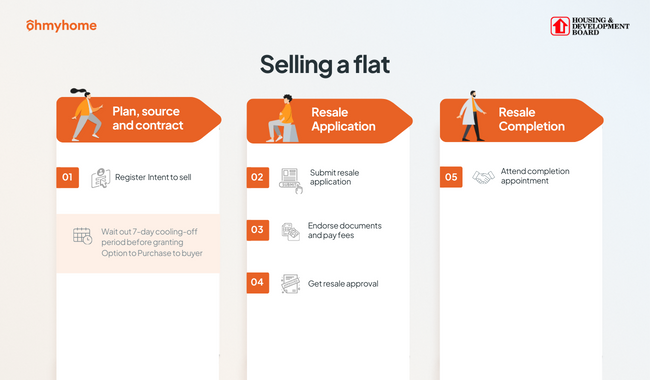
Here’s the full HDB selling procedure in 2026:
- Register Intent to Sell
- Calculate HDB sale proceeds
- Post your HDB resale flat for sale
- Arrange viewings and conduct negotiations
- Grant Option to Purchase (OTP) to HDB buyer
- Discuss the Temporary Extension of Stay with the HDB buyer
- Buyer will exercise the OTP and pay the Option fee
- Submit HDB resale application
- Contact a conveyancing lawyer
- Endorse HDB resale documents
- Pay legal fees and other HDB resale costs
- Receive HDB approval letter
- Prepare for the Resale Completion Appointment
- Attend Resale Completion Appointment
3 Factors to Consider Before You Sell Your HDB Flat
Take a quick moment to pause and think before making your next sales move.
1. Know When Selling Before MOP is Actually Allowed
The Housing & Development Board only allows sales before MOP under three legitimate reasons. It’s worth confirming eligibility early so you don’t plan around a timeline that isn’t possible.
2. Timing Your Sale With the Market (not just your MOP)
Beyond meeting your Minimum Occupation Period, consider market conditions as well. Buyer demand, interest rates, and nearby launches can all affect your selling price, which is why you should do your research on the best time to sell your HDB flat.
3. Price Realistically From the Start
Overpricing your HDB flat can deter serious buyers and leave your listing stale. Homes that start at a fair market price often attract stronger interest early, which usually leads to better offers and smoother negotiations.
What are the Costs of Selling a Condo in Singapore?

Here’s a quick overview of how much selling a condo in Singapore usually costs.
1. Agent’s Commission
Property agent commission for condo sales in Singapore is typically around 2% to 3% of your selling price. While some agents may be open to negotiation, this isn’t always guaranteed, which is why starting with a lower commission can help you keep more of your sale proceeds.
2. Legal Fees
Legal fees for selling a condo in Singapore typically range between $2,500 and $3,500, depending on the law firm you engage.
With Ohmyhome, sellers can get started from $1,800, which includes preparing and processing all legal documents required for the sale, such as the sale and purchase agreement and the title deed transfer, and liaising with relevant authorities.
3. Seller’s Stamp Duty (SSD)
Seller’s Stamp Duty (SSD) applies when you sell a private property, such as a condominium, within four years of purchase. The exact SSD payable depends on how long you’ve owned the property, with higher rates charged for shorter holding periods.
Here’s a quick breakdown of the Seller’s Stamp Duty rates based on your holding period:
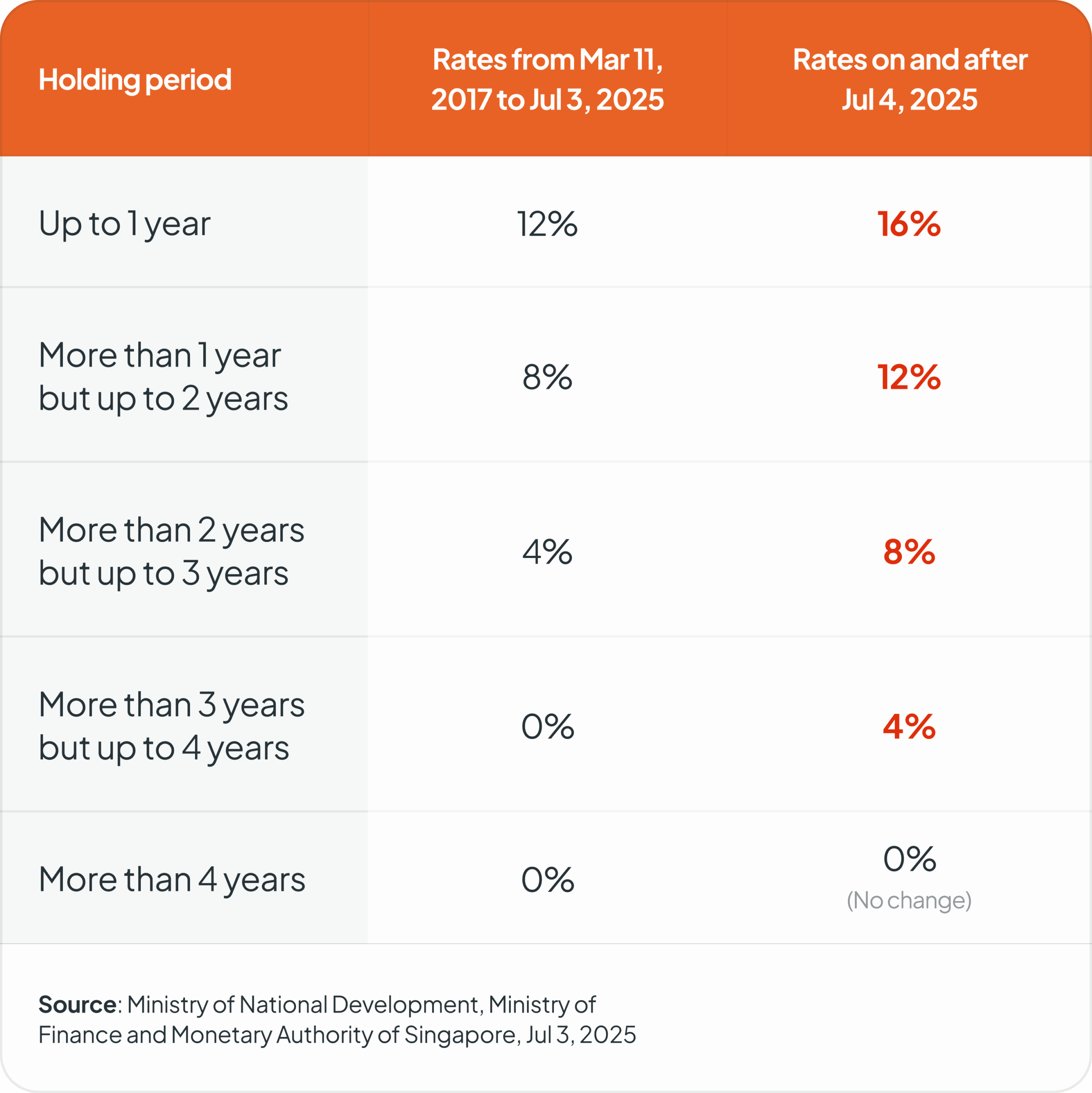
The longer you hold the property, the less SSD you’ll pay. Once you’ve crossed the four-year mark, SSD no longer applies.
Seller’s Stamp Duty doesn’t apply to HDB resale flats because, by the time an HDB flat becomes eligible for resale, the SSD holding period has already passed, which means SSD for HDB sellers is typically not payable.
4. Early Redemption Penalty (if applicable)
Selling your condo while still under a bank loan lock-in period may trigger an early redemption penalty, which is typically around 1.5% of your outstanding loan balance.
Because these costs can affect your final proceeds, it’s a good idea to review your loan agreement early or check with your bank so you know exactly what to expect before completing your sale.
5. Valuation Fee
A professional condo valuation report from licensed valuers in Singapore typically costs between $300 and $500, depending on the property and provider. Some banks may offer an indicative valuation if you’re taking up a home loan, but this isn’t always available upfront.
You can also get a free estimated condo valuation using HomerAI, helping you gauge market value and set a realistic asking price before listing your property.
6. Condo Maintenance Fees
Condo maintenance fees are calculated on a pro-rated basis, which means you only pay up to the date of sale. After that, the buyer takes over the fees. This ensures your final maintenance charges are fairly split between owners.
Step-by-Step Guide to Sell Your Condo
Here’s the full condo selling procedure in 2026:
- Check payable Seller’s Stamp Duty (SSD)
- Conduct market research & post condo listing
- Home staging & renovation
- Find buyers on Ohmyhome
- Arrange viewings & negotiations
- Contact a lawyer & grant Option to Purchase (OTP)
- Complete the sale
3 Factors to Consider Before You Sell Your Condo
Taking time to review these points early can support better decision-making.
1. Rules Change If This Isn’t Your First Property Sale
Your eligibility for grants, loan limits, and even your next housing options may differ the second time around, so it’s worth reviewing the latest policies early.
2. The Waiting Period Before Buying an HDB Flat
After selling a private property, there’s a required wait time before you can buy an HDB flat from the Housing & Development Board. Something to plan for if HDB is part of your next move.
3. Your Selling Timeline and Market Conditions
Buyer demand and recent condo transactions can affect both price and speed, so timing your sale well can make a real difference to your outcome and overall net proceeds.
Whether you’re a seasoned seller or a first-timer, being aware of these common property sale deductions can empower you to make smarter decisions and avoid nasty surprises throughout the transaction process.
Sell Your Property Today with Ohmyhome
Understanding the true cost of selling your property in Singapore in 2026 puts you in control of your next move. When you know what to expect, it’s easier to budget, time your sale, and protect your take-home cash.
Ready to sell your home? We’re ready to help.
Schedule a consultation with one of Singapore’s top agents.
Ready to sell your home? We’re ready to help.
Schedule a consultation with one of Singapore’s top agents.
Ready to sell your home? We’re ready to help.
Schedule a consultation with one of Singapore’s top agents.
Ready to sell your home? We’re ready to help.
Schedule a consultation with one of Singapore’s top agents.
Ready to sell your home? We’re ready to help.
Schedule a consultation with one of Singapore’s top agents.
Drop us a message onWhatsAppor chat with us via our Live Chat to reach any of our property agents.
Frequently Asked Questions About the Cost of Selling a Property in Singapore in 2026
1. What is the tax on selling property in Singapore?
There is no capital gains tax on property sales in Singapore for individuals. However, if you’re in the business of property trading or flipping, IRAS may tax you under income tax laws.
2. How much is Seller’s Stamp Duty (SSD) in Singapore?
In Singapore, Seller’s Stamp Duty (SSD) ranges from 16% to 0%, depending on how long you’ve owned your private property.
Here’s a quick breakdown of the SSD rates in Singapore:
- 16% if sold within Year 1
- 12% in Year 2
- 8% in Year 3
- 4% in Year 4
- 0% after Year 4
HDB sellers are not subject to SSD.
3. Can I sell my property if I still have a loan?
Yes, you can sell your property in Singapore even if you still have an outstanding mortgage with a bank or the Housing & Development Board. However, you’ll need to:
- Redeem your outstanding loan (bank or HDB)
- Possibly pay an early redemption penalty, usually around 1.5% for bank loans
- Get a redemption statement and make sure it’s settled before completion
Use HomerAI to estimate how much you’ll get after paying off your loan.
4. How can I avoid Seller’s Stamp Duty (SSD)?
To avoid SSD on your private property:
- Hold the property for more than 4 years before selling
- For HDB flats, SSD does not apply; however, ensure your Minimum Occupation Period (MOP) is complete
5. When is the best time to sell my property?
In Singapore, the best time to sell your property is typically during periods of higher buyer activity, such as the June school holidays, year-end months, and after major BTO launches by the Housing & Development Board, when demand often increases.
However, timing your sale also depends on your eligibility, market conditions, and plans for your next home. Key factors to consider include:
- Whether you’ve met your Minimum Occupation Period (MOP) or cleared Seller’s Stamp Duty (SSD) requirements
- Current market signals, such as interest rates, buyer demand, and recent transaction prices
- Your timeline for buying your next home, so you’re not rushed into decisions
In short, the “best” time isn’t just about the market; it’s also about selling when you’re financially and logistically ready.